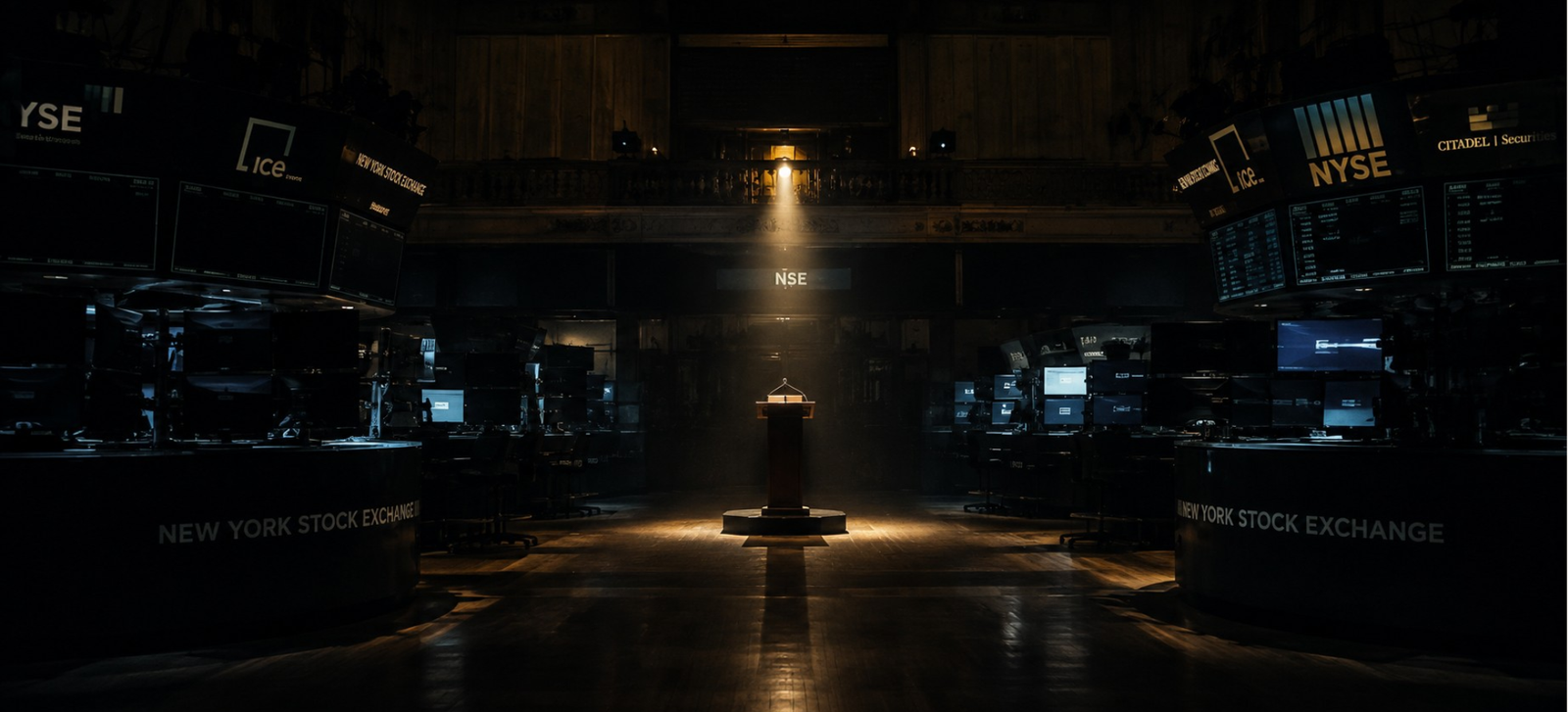
The NSE—the exchange that hosts everyone else’s IPO—has filed for its own. Here’s why the biggest listing in Indian history will be won or lost not just in the DRHP, but in the media narrative surrounding it. A media intelligence perspective.
The House Finally Plays Its Own Hand
For decades, the National Stock Exchange has been the stage. Every ticker, every debut, every listing-day pop and flop—it all happened on NSE’s floor while the exchange itself stayed comfortably behind the curtain.
Now the house is stepping into the spotlight. NSE has filed its Draft Red Herring Prospectus with SEBI for what could become one of the largest IPOs India has ever seen—valuations whispered in the trillions, a shareholder base nearly two lakh strong, and a decade of anticipation finally coming to a head.
And here’s the irony that should interest every enterprise: the institution that measures everyone else’s market debut now has to survive its own.
The DRHP Is the Story Investors Read. It Isn’t the Story They Believe.
A prospectus is a legal document. It is thorough, audited, and—let’s be honest—read cover-to-cover by roughly the same number of people who read software licence agreements.
The story most investors actually absorb comes from somewhere else entirely: headlines, WhatsApp forwards, brokerage hot-takes, anchor commentary, and the collective mood of a thousand finance influencers who’ve never met a valuation they couldn’t dramatise.
That gap—between what a company files and what the market feels—is exactly where media intelligence lives.
NSE Carries Baggage. So Does Every Brand.
The exchange doesn’t arrive at this listing with a clean slate. There’s history—regulatory scrutiny, the co-location episode, years of governance questions that lived in the press long after they were legally addressed.
None of that is unique to NSE. Every company approaching an IPO carries a reputational ledger written not by its legal team, but by a decade of media coverage. The question isn’t whether the baggage exists. It’s whether anyone is measuring how much of it still shapes the narrative.
Share of voice. Sentiment trend. Which old stories resurface the moment the DRHP hits the wire. This is the pre-listing intelligence that separates a company that manages its narrative from one that gets managed by it.
What Every Enterprise Can Steal From This Moment
You don’t need to be filing a ₹23,000 crore IPO to learn the lesson. The same dynamic plays out every time your brand does something public—a product launch, a funding round, a leadership change, a crisis.
- Monitor before the moment, not after. Sentiment doesn’t form on announcement day. It’s been building for months in the coverage you weren’t tracking.
- Watch the resurfacing. Old narratives don’t die—they wait for a news hook. Know which ones will return before they do.
- Measure the gap. The distance between your official message and the market’s actual perception is your real reputation. Everything else is a press release.
The Exchange That Watches Everything Is About to Be Watched
There’s a quiet poetry to it. The platform that has recorded every other company’s public moment now becomes the subject rather than the stage.
Whether NSE’s debut is remembered as a triumph or a cautionary tale will depend, yes, on numbers—but also on a narrative being written in real time across thousands of headlines, feeds, and forwards. The DRHP tells you what the company wants to say. Media intelligence tells you what the market actually heard.
And in the end, an IPO isn’t priced by the prospectus. It’s priced by the conversation.

Leave a Reply